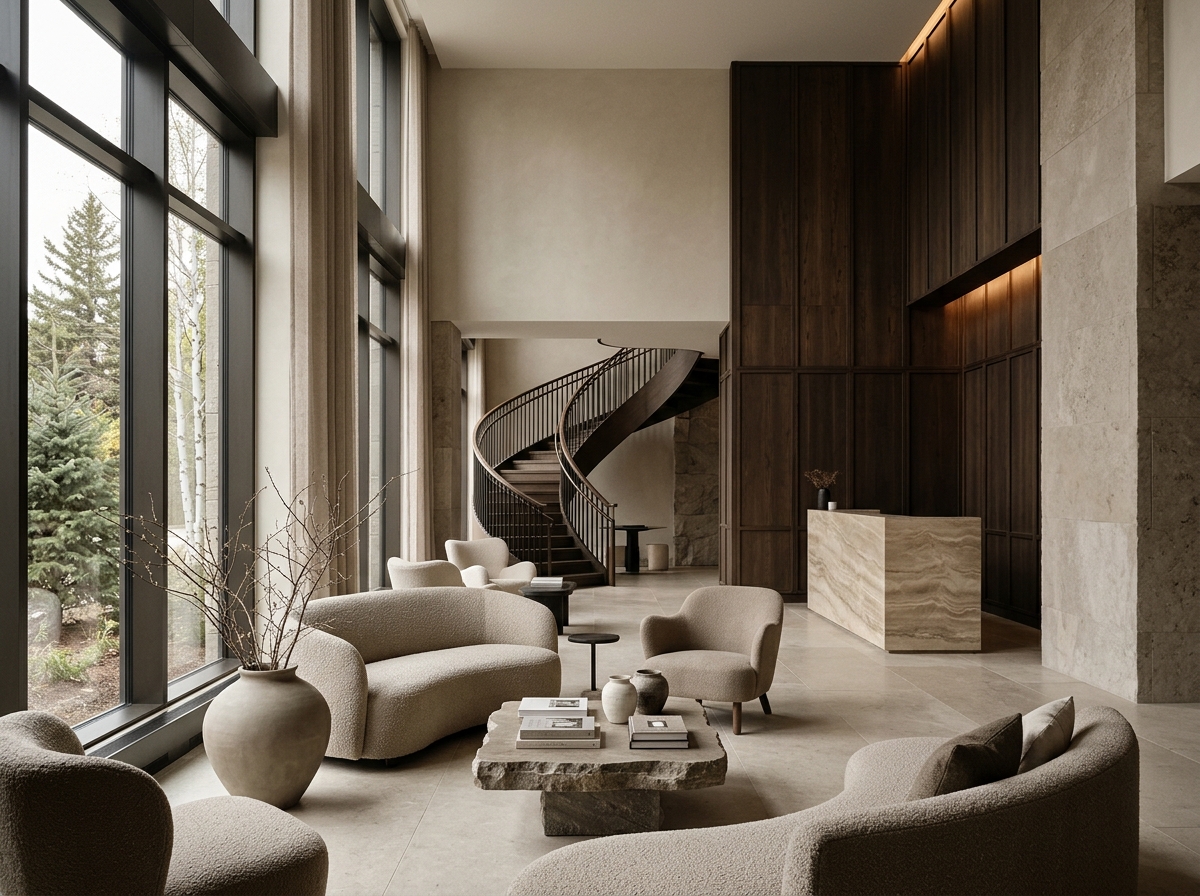
Fig. 01 / Interiors that give the journey room to breathe
Travel is often described through the places we visit, yet the
experience of staying somewhere also shapes how we remember a
destination. A welcoming room and a building that belongs to its
city can influence the journey. Casino Maple Hotel begins with that
observation. Our outlook is contemporary and architectural, but the
purpose is human: to make space for individual preferences, a
reasonable pace and the small discoveries that happen between major
plans. We are interested in hospitality that makes travel easier to
enjoy rather than more complicated to organise.
Across Canada, cities tell different stories through their streets
and surroundings. Ottawa's institutions, civic spaces and
neighbourhoods create a particular rhythm. Regina brings an
expansive prairie outlook and a different scale of daily life.
Richmond connects the character of the Pacific coast with an
exceptionally varied metropolitan culture. Those distinctions
matter. When a hospitality concept simply repeats the same visual
formula in every location, it risks overlooking what brought a
traveller there. Our approach is to consider each city first and
then imagine how the accommodation might respond.
Architecture provides a visible language for that response. Natural
light, proportion, materials and circulation affect the way people
use a building long before they consciously assess its style. Clean
lines can offer calm, but only if the underlying space feels
comfortable. Warm timber may support a more relaxed atmosphere;
stone and glass may reinforce a structured urban setting. Neither is
inherently superior. The important question is whether the choices
work together to create a place where guests can rest, prepare and
return after exploring. Good interior design should age well and
leave room for personal experience.
Food and local culture are inseparable from the broader idea of
hospitality. An early breakfast can create time for an unhurried
walk. A welcoming dining room can bring a long day to a comfortable
close. A practical recommendation might introduce a market, public
garden or neighbourhood venue that would otherwise have been missed.
We value that connection between a hotel and its surroundings.
Guests deserve information that helps them choose what they want
from a city, not an itinerary that assumes everyone travels for the
same reasons.
The same principle applies to rest and entertainment. Some visitors
will seek a calm indoor afternoon; others may favour galleries,
restaurants or evening activities. In provinces where adults aged 19
and older may lawfully access casino entertainment, responsible play
can be presented as one optional leisure choice. It is not a measure
of a successful stay, and no gaming activity should be approached as
a way to make income. Hospitality works best when these boundaries
are clear, guests retain control of their time and spending, and the
wider journey remains the main story.
Our editorial perspective is simple. Attention to detail helps
people feel comfortable and informed. We prefer clarity to excessive
display, and meaningful moments to standardised luxury. What matters
most is the connection between the traveller, the destination and
time to enjoy it.